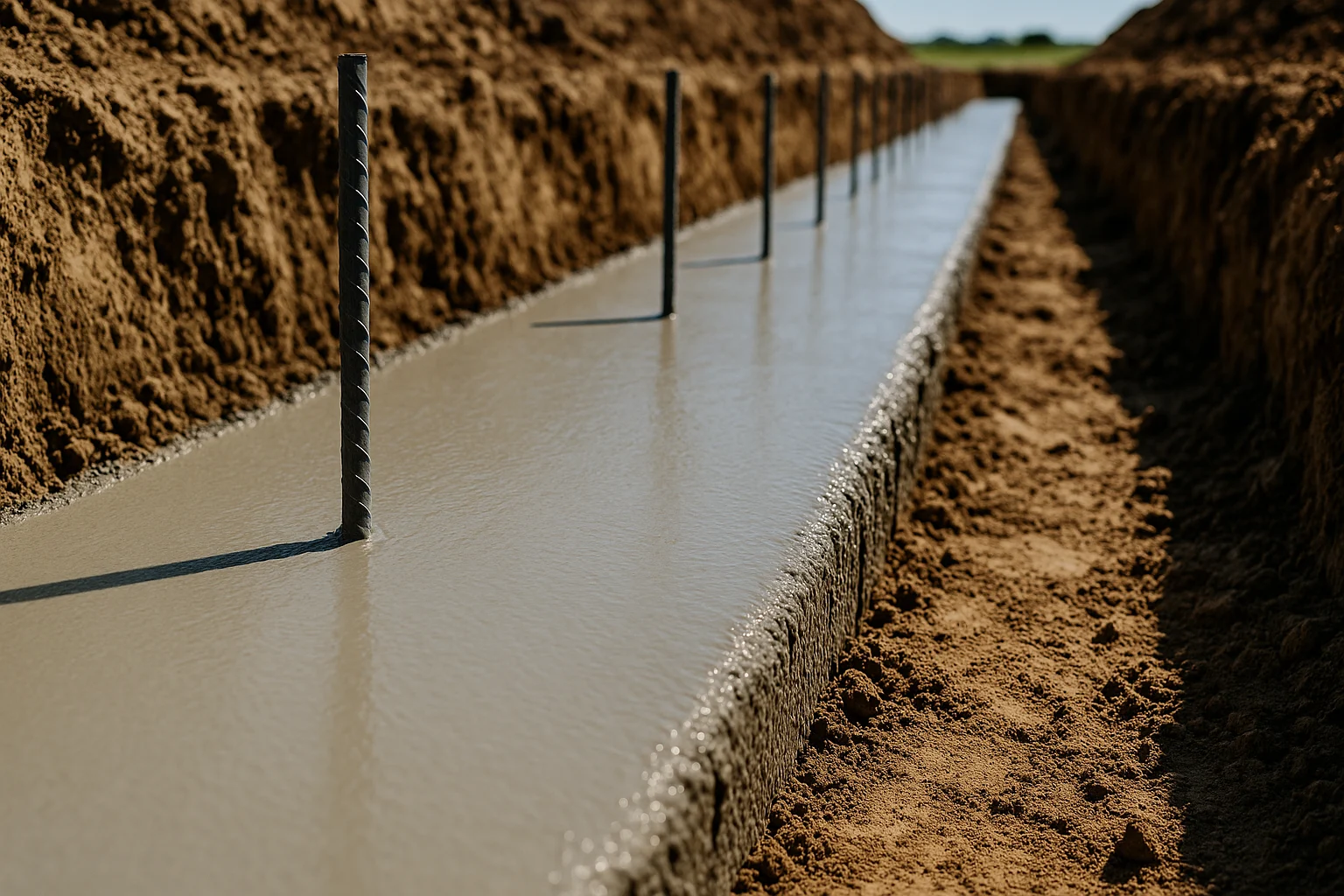

Hot weather is one of the most underestimated risks in concrete work. While most contractors prepare for cold weather challenges, high temperatures cause equally serious — and often more rapid — problems. When ambient temperatures exceed 25°C, the chemical reactions in concrete accelerate significantly: setting time shortens, water evaporates faster, and the margin for error shrinks. The result, if not managed, is reduced workability, plastic shrinkage cracking, and lower final strength — even from concrete that looked fine during placement.
How Does Hot Weather Affect Concrete Performance?
Above 25°C, concrete begins setting more rapidly than specified, reducing the window available for placing, consolidating, and finishing. Accelerated setting can trap air bubbles and prevent proper compaction — creating weak spots invisible to the eye.
High temperatures also increase the rate of surface moisture evaporation. When surface moisture evaporates faster than bleed water can rise to replace it — which is common in hot, windy conditions — plastic shrinkage cracks form before the concrete has developed sufficient strength to resist them. These early cracks are difficult to remedy after the fact.
The American Concrete Institute recommends keeping fresh concrete below 32°C at the point of delivery. In UK summer conditions, with ambient temperatures rising and sun-exposed formwork and ground absorbing heat, reaching this threshold is easier than many contractors expect.
How Should You Plan Concrete Work in Hot Weather?
Time your pours for the coolest part of the day. Early morning pours — typically between 06:00 and 10:00 — offer the best conditions before temperatures peak. Avoid scheduling placement between midday and 16:00 when ambient temperatures and solar radiation are highest. Check forecasts at least 48 hours in advance and flag any deteriorating conditions early.
Prepare materials to reduce initial concrete temperature. Keep aggregates and cement in shaded or covered storage. Where possible, use chilled water for mixing or add ice to the mix water to reduce the concrete’s initial temperature. Some suppliers can provide pre-cooled aggregates for large projects where temperature control is critical.
Prepare the site and subgrade. Wet down the subgrade and forms before placing concrete to prevent them from absorbing moisture from the fresh mix. Avoid standing water that could affect the water-cement ratio — the goal is a cool, damp substrate, not a wet one.
What Mix and Delivery Adjustments Help in Hot Weather?
Work with your concrete supplier to optimise mix design for hot weather. Ready-mix concrete suppliers can add retarding admixtures that slow setting time, providing more working time for placement and finishing without altering strength development. Fly ash and slag cement replacements can also reduce heat of hydration and improve workability in hot conditions.
Volumetric concrete eliminates transit time concerns entirely — concrete is mixed on-site at the point of pour, removing the risk of premature stiffening during delivery. This is a significant advantage on larger pours in hot conditions.
Coordinate deliveries to minimise waiting time between trucks. Gaps between loads in hot weather create cold joints and finishing inconsistency. If using boom pump or line pump to place concrete, shade or wrap pump lines with wet burlap to prevent additional heating during transit through the system.
How Do You Protect and Cure Concrete in Hot Conditions?
Begin surface protection immediately after placement. Use evaporation retardants, plastic sheeting, or wet burlap to maintain surface moisture. The aim is to prevent the surface from drying faster than bleed water can replenish moisture. Light misting is acceptable; adding water to the surface to improve workability is not — it changes the water-cement ratio and weakens the finished concrete.
Extend curing time. Hot weather accelerates early strength development but can reduce ultimate strength if proper curing isn’t maintained. Maintain moist curing for at least seven days — longer for maximum performance. The effect of temperature on how concrete gains strength over time is covered in our guide on how long concrete takes to dry.
Control temperature swings during curing. Rapid cooling after hot days creates thermal stresses that cause cracking. Use insulated curing blankets or shade structures to moderate temperature variation. White or reflective curing compounds help by reflecting solar heat from the concrete surface.
For projects in Yorkshire and the North West where summer temperatures can catch contractors off guard, Procon 24/7’s commercial concrete service includes mix design support for seasonal conditions. Hot weather guidance for the UK winter counterpart is covered in our cold weather concrete dos and don’ts guide.
What Hot Weather Mistakes Must You Avoid?
Never add water to hot weather concrete to improve workability — this weakens the finished material and reduces durability. Use admixtures and mix adjustments instead.
Don’t rush finishing. Hot weather reduces working time, but attempting to finish too early traps bleed water beneath the surface and causes scaling problems that develop weeks or months later.
Don’t try to work concrete that has already begun to stiffen. Remixing or adding water to partially-set concrete produces weak, unreliable results — if the window has passed, the concrete must be removed and replaced.
Frequently Asked Questions About Hot Weather Concreting
At what temperature does hot weather start affecting concrete?
The effects begin above 25°C ambient temperature. The American Concrete Institute recommends keeping fresh concrete below 32°C at delivery — above this threshold, setting acceleration and moisture loss become difficult to manage without specific admixtures and techniques.
Can you pour concrete in summer in the UK?
Yes — with proper planning. Schedule pours for early morning, use retarding admixtures, protect surfaces immediately after placement, and extend curing time. Summer pours are routine for experienced contractors who plan for temperature conditions.
Why does adding water to hot concrete make things worse?
Adding water increases the water-cement ratio, directly reducing compressive strength and long-term durability. Even small additions can reduce strength by a meaningful amount. Use retarding admixtures or adjust the mix design instead to maintain workability.
How long should you cure concrete in hot weather?
A minimum of seven days moist curing is recommended in hot weather — longer than standard conditions. High temperatures accelerate early strength gain but can reduce ultimate strength if moisture is lost before hydration is complete. Temperature and curing time both affect the final result.