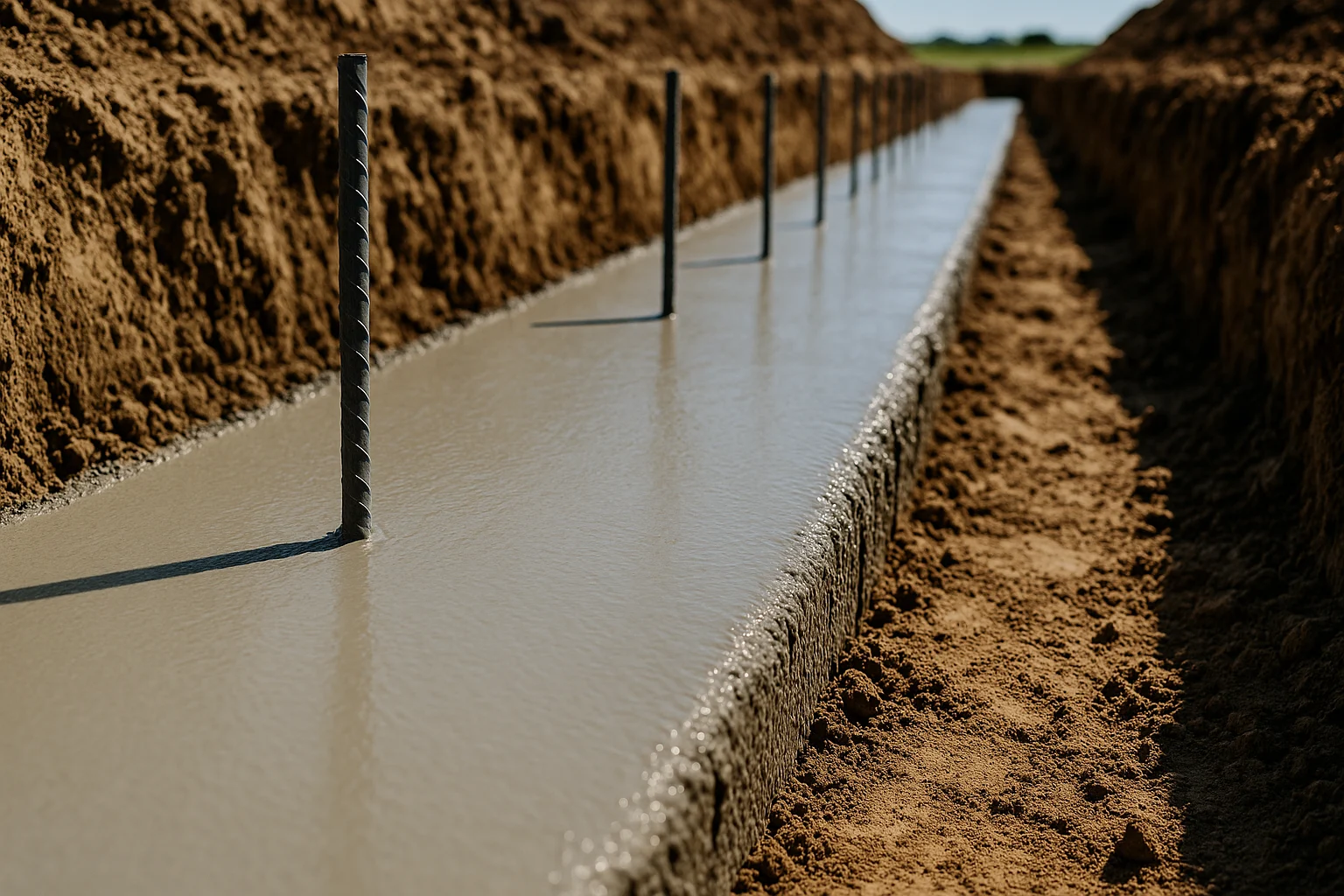

Stamped concrete has become one of the most popular choices for outdoor spaces across the UK — and for good reason. It delivers the aesthetic appeal of natural stone, brick, or timber at a fraction of the cost and maintenance burden, combined with the structural durability that concrete inherently provides. Modern stamping techniques produce highly realistic textures and patterns that can transform any garden or outdoor area.
What Is Stamped Concrete and How Does It Work?
Stamped concrete is produced by pressing rubber or polyurethane moulds into freshly poured concrete while it is still workable. The stamps create realistic textures — cobblestone, slate, flagstone, wood planks, and many others — that are then enhanced with integral colour, surface hardeners, and sealers to complete the natural-material effect.
The concrete used for stamping must be correctly specified: workability, aggregate size, and mix consistency all affect how well stamps register in the surface. Procon 24/7’s ready-mix concrete service includes mix design guidance for decorative applications across Yorkshire and the North West.
What Are the Best Ways to Use Stamped Concrete in a Garden or Backyard?
1. Patios and entertaining areas: A stamped concrete patio creates a durable, low-maintenance entertaining space with the visual quality of expensive natural stone. Choose patterns to complement the property’s architecture — cobblestone for traditional properties, geometric slate for contemporary ones. Unlike individual stone flags, stamped concrete provides a seamless surface with no gaps for weeds or moss.
2. Garden pathways: Winding stamped concrete paths add visual interest and practical accessibility through planted areas. The texture provides grip in wet conditions, and the seamless installation eliminates the shifting and settlement problems that affect individual paving stones over time.
3. Pool decks: Pool surrounds demand surfaces that are slip-resistant, easy to clean, and resistant to poolside chemicals. Stamped concrete delivers on all three. Travertine and flagstone patterns are popular choices, providing uniform texture and colour throughout the deck without the uneven surfaces that harbour algae.
4. Decorative retaining walls: Stamped concrete is not limited to horizontal surfaces. Vertical retaining walls can be formed and stamped to mimic stacked stone or brick, combining structural integrity with decorative appeal. For engineered retaining applications, interlocking concrete blocks provide additional structural capacity alongside aesthetic options.
5. Driveway extensions and forecourts: Extending an existing driveway into the garden with stamped concrete adds parking capacity while maintaining kerb appeal. Cobblestone and brick patterns are particularly popular for traditional properties. For full driveway installation guidance, see our concrete driveway guide.
6. Outdoor kitchen foundations: Outdoor kitchens require clean, stain-resistant, heat-tolerant surfaces. A properly sealed stamped concrete slab provides all three. Neutral tones are the practical choice for kitchen areas — they show less staining and don’t clash with changing equipment or décor.
7. Fire pit areas and seating surrounds: Stamped concrete fire pit areas and curved seating surrounds create natural focal points. Using heat-resistant sealers ensures the surface retains its appearance despite exposure to fire and thermal cycles. Combining different patterns — stone for the main surface, brick border for definition — adds visual sophistication.
8. Raised garden bed borders: Stamped concrete borders provide clean, permanent definition between planted areas and hard landscaping. Unlike timber, they do not rot, shift, or attract pests. Unlike metal edging, they provide a visual feature rather than just a functional edge.
9. Steps and multi-level transitions: Multi-level gardens benefit from stamped concrete steps and landings that integrate visually with surrounding surfaces. Stamped risers and treads can be colour-matched to adjacent paving, creating a coherent scheme across level changes. Integrated lighting can be added during installation for safety and ambiance.
10. Built-in seating: Concrete benches and seating elements can be formed and stamped to match surrounding surfaces, creating permanent, weather-resistant outdoor furniture that requires no maintenance and never needs replacement.
What Are the Practical Advantages of Stamped Concrete Over Natural Stone?
Cost is the most significant factor — stamped concrete typically costs 30–50% less than genuine natural stone for the same area. But beyond initial cost, the advantages compound over time. Natural stone requires regular re-pointing, weed treatment, and re-levelling as individual pieces settle. Stamped concrete is a continuous slab that maintains its level and eliminates joint maintenance entirely.
Colour consistency is another advantage. Natural stone varies between batches; matched repairs are difficult. Stamped concrete uses integral colour throughout the slab, making future repairs far easier to blend. For current cost guidance, see our concrete pouring cost guide.
Use our concrete calculator to estimate volumes for your project before requesting a quote. For domestic projects across Yorkshire and the North West, Procon 24/7’s domestic concrete service covers all aspects of supply for decorative and structural outdoor applications.
Frequently Asked Questions About Stamped Concrete
How long does stamped concrete last?
Well-installed and sealed stamped concrete typically lasts 25–30+ years. Regular resealing every 2–3 years maintains colour vibrancy and surface protection against UK freeze-thaw cycles and traffic wear.
Can stamped concrete be repaired if it cracks?
Hairline cracks can be repaired with colour-matched fillers, though matching patterns precisely on repairs is challenging. Minimising cracking starts at the design stage — correct slab thickness, sub-base preparation, and control joint placement all significantly reduce crack risk.
Is stamped concrete slippery when wet?
Textured stamped patterns provide reasonable grip, but sealed surfaces can become slippery in wet conditions. Anti-slip additives can be mixed into the final sealer coat — recommended for pool surrounds, steps, and areas exposed to frequent rain.
What is the difference between stamped concrete and exposed aggregate?
Stamped concrete uses moulds to create surface patterns; the aggregate remains embedded. Exposed aggregate removes the cement surface to reveal the stone within. Both are attractive decorative options — stamped concrete offers more pattern variety, while exposed aggregate has a natural, textural appearance that suits contemporary landscaping.