After three decades in the concrete industry, I’ve seen every type of concrete failure imaginable. From hairline cracks that appear within months of installation to massive structural damage that threatens entire buildings, concrete repair is both an art and a science that requires deep understanding of materials, techniques, and long-term performance.
Concrete repair isn’t just about filling holes or covering cracks – it’s about understanding why the damage occurred in the first place and implementing solutions that will last. Too many property owners attempt quick fixes that fail within a year, often making the original problem worse and more expensive to resolve properly.
The reality is that concrete, despite being one of our most durable construction materials, inevitably requires maintenance and repair over its lifespan. Environmental factors, structural loads, and natural aging all contribute to concrete deterioration. The key is recognising problems early and addressing them with appropriate repair techniques.
Understanding Common Concrete Problems
Cracking Issues
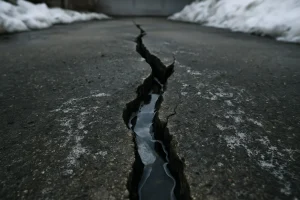
Concrete cracks for numerous reasons, and identifying the cause determines the repair approach. Plastic shrinkage cracks appear while the concrete is still wet, usually due to rapid moisture loss. Settlement cracks develop when the ground beneath shifts or compacts unevenly. Thermal cracks result from expansion and contraction cycles.
Understanding concrete composition and process helps explain why these problems occur and how proper repair techniques can address the underlying causes rather than just the symptoms.
Surface Deterioration
Scaling, spalling, and surface wear are common problems, particularly in areas exposed to freeze-thaw cycles or chemical exposure. These issues often start small but can rapidly progress if not addressed promptly.
Structural Concerns
More serious problems include reinforcement corrosion, concrete cancer (alkali-silica reaction), and load-related failures. These require professional assessment and specialised repair techniques to ensure structural integrity.
Professional Concrete Repair Techniques
Surface Repairs
For minor surface damage, techniques like concrete resurfacing, patching, and protective coatings can restore both appearance and functionality. The key is properly preparing the surface and selecting compatible repair materials that bond effectively with the existing concrete.
Crack Injection
Active cracks often require injection with specialised materials to prevent water intrusion and further deterioration. Epoxy injection works well for static cracks, while flexible polyurethane materials suit areas subject to movement.
Structural Reinforcement
Serious structural issues may require reinforcement with additional steel, carbon fibre wrapping, or even partial reconstruction. These repairs demand professional engineering assessment to ensure adequate load capacity and safety.
When to Call Professional Concrete Repair Services
Early Warning Signs
Don’t wait until problems become obvious. Hairline cracks, surface discoloration, or minor scaling should trigger professional evaluation. Early intervention typically costs a fraction of major reconstruction while delivering better long-term results.
Safety Considerations
Any structural concrete showing signs of distress requires immediate professional attention. This includes beams, columns, foundations, and load-bearing walls where failure could cause injury or property damage.
Complex Repairs
Repairs involving reinforcement corrosion, chemical damage, or structural modifications need professional expertise. These situations require specialised materials, techniques, and often engineering input to ensure successful outcomes.
Choosing the Right Repair Materials
Compatibility Matters
Successful concrete repairs require materials that are compatible with the existing concrete in terms of thermal expansion, permeability, and chemical composition. Mismatched materials often fail at the interface, creating larger problems than the original damage.
Quality Specifications
Professional repair services use materials specifically formulated for concrete repair rather than generic products. These specialised materials often include polymer modifiers, corrosion inhibitors, and other additives that enhance bond strength and durability.
Environmental Considerations
Modern repair services increasingly offer carbon reduced concrete options and environmentally responsible materials that provide excellent performance while reducing environmental impact.
Repair vs. Replacement Decisions
Economic Analysis
Sometimes replacement proves more economical than extensive repairs, particularly for severely deteriorated concrete. Professional assessment helps determine the most cost-effective approach considering both immediate costs and long-term performance.
Performance Expectations
Well-executed repairs can restore concrete to like-new condition and provide decades of additional service life. However, repairs in highly aggressive environments may require more frequent maintenance than complete replacement with improved materials.
Preventive Maintenance Programs
Regular Inspections
The most cost-effective approach to concrete repair is preventing major problems through regular inspections and prompt attention to minor issues. Professional services can establish maintenance schedules tailored to your specific concrete elements and environmental conditions.
Protective Treatments
Sealers, coatings, and other protective treatments can significantly extend concrete life and reduce repair requirements. These treatments are particularly valuable for concrete exposed to harsh environmental conditions.
Quality Assurance in Repair Work
Proper Surface Preparation
The foundation of any successful concrete repair is thorough surface preparation. This includes removing all loose or deteriorated material, cleaning to remove contaminants, and creating the proper surface profile for optimal bonding.
Curing and Protection
Repair materials often require specific curing conditions to achieve full strength and durability. Professional services understand these requirements and provide appropriate protection during the critical early stages.
Integration with New Construction
Matching Existing Concrete
When repairs must blend with existing concrete, ready mix concrete suppliers can often match colours and textures. This attention to detail ensures repairs remain virtually invisible while providing full structural performance.
Modern Enhancement Options
Repair projects often provide opportunities to upgrade concrete performance with fibre reinforced concrete or other advanced materials that weren’t available when the original concrete was installed.
Long-term Performance Monitoring
Documentation and Warranties
Professional repair services provide detailed documentation of work performed and typically offer warranties on their repairs. This documentation proves valuable for future maintenance planning and insurance purposes.
Follow-up Inspections
Reputable concrete repair services often include follow-up inspections to verify repair performance and identify any developing issues before they become serious problems.
According to Wikipedia’s concrete degradation article, understanding the mechanisms of concrete deterioration is crucial for developing effective repair strategies that address root causes rather than just symptoms.
The investment in professional concrete repair services pays dividends through extended service life, improved safety, and reduced long-term maintenance costs. Whether addressing minor cosmetic issues or major structural problems, the right repair approach can restore concrete elements to full functionality while preventing future deterioration.
Frequently Asked Questions
How do I know if concrete damage requires professional repair? Any crack wider than 2mm, areas of spalling or scaling, or signs of reinforcement corrosion should be evaluated by professionals. When in doubt, early consultation costs less than delayed repairs.
Can concrete repairs be as strong as the original concrete? Yes, properly executed repairs using appropriate materials can achieve equal or greater strength than the original concrete while providing excellent long-term durability.
How long do concrete repairs typically last? Quality repairs in normal environments often last 20-30 years or more. Lifespan depends on the repair method, materials used, environmental conditions, and ongoing maintenance.
Is it worth repairing old concrete or should I replace it? This depends on the extent of damage, remaining service life expectations, and cost comparison. Professional assessment can determine the most economical approach.
Can concrete repairs be done in winter? Many repair materials can be used in cold weather with proper precautions, though some techniques work better in moderate temperatures. Professional services can advise on seasonal timing.