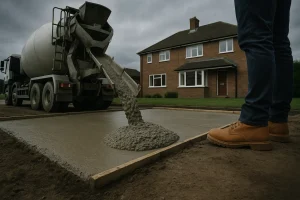
The construction industry faces an undeniable truth: traditional concrete production generates substantial CO2 emissions, contributing approximately 8% of global carbon emissions through cement manufacturing. For environmentally conscious builders, this creates a genuine dilemma—how do you balance the structural benefits of concrete with the pressing need for sustainable construction practices? Rather than abandoning concrete entirely, the most exciting developments emerge from within the industry itself, where innovative sustainable building materials and green concrete solutions are transforming how we build responsibly.
The Solution Within: Making Concrete Itself Greener
The concrete industry’s greatest environmental innovations focus on reducing the carbon footprint of concrete itself, proving that sustainability and structural performance can coexist effectively.
Cement Replacements (SCMs)
Supplementary Cementitious Materials (SCMs) represent one of the most significant breakthroughs in low carbon concrete development. These materials allow us to replace substantial portions of traditional Portland cement with recycled industrial byproducts that would otherwise require disposal.
Fly ash, a byproduct of coal-fired power stations, can replace up to 30% of cement in concrete mixes whilst often improving workability and long-term strength. Ground Granulated Blast-furnace Slag (GGBS), derived from iron production, can replace even higher percentages of cement whilst delivering excellent durability characteristics.
These materials should be viewed as “upcycled” components that transform industrial waste into valuable construction materials. Modern, carbon-reduced concrete mixes utilising SCMs can reduce embodied carbon by 40-60% compared to traditional Portland cement concrete, representing a massive step forward in sustainable construction UK-wide.
Using Recycled Aggregates
The aggregates industry has embraced circular economy principles through innovative recycling processes. Crushed, recycled concrete from demolition sites can effectively replace virgin aggregates in new concrete production, reducing both landfill waste and quarrying demands.
Recycled concrete aggregates (RCA) perform excellently in many applications, particularly for sub-base materials, non-structural concrete, and certain structural applications where specifications permit. This approach simultaneously addresses waste management challenges whilst reducing the environmental impact of aggregate extraction.
The process involves crushing demolished concrete, removing contaminants, and grading the material to meet specification requirements. Quality recycled aggregates often match or exceed virgin material performance whilst delivering substantial environmental benefits through reduced transportation distances and eliminated quarrying impacts.
Beyond Concrete: Other Materials for Specific Jobs
Whilst concrete alternatives cannot match concrete’s versatility across all applications, several materials excel in specific circumstances where environmental considerations take priority.
Permeable Pavers offer excellent solutions for driveways, car parks, and pedestrian areas where drainage management matters. These systems reduce surface water runoff, prevent flooding, and often incorporate recycled materials in their manufacturing. They work particularly well for residential driveways and commercial car parks where sustainable urban drainage systems (SUDS) compliance is required.
Recycled Materials including recycled plastic lumber, reclaimed timber, and glass aggregate find applications in non-structural elements like landscaping, temporary works, and decorative features. These materials excel where structural demands remain minimal but environmental credentials matter significantly.
Timber Construction using sustainably sourced or engineered timber provides low-carbon alternatives for structural applications, particularly in residential and light commercial construction. Cross-laminated timber (CLT) and glue-laminated timber offer impressive structural capabilities with much lower embodied carbon than concrete.
These alternatives represent excellent choices for specific applications, though they cannot match concrete’s versatility across the full spectrum of construction requirements.
The Greenest Choice of All: Repair, Don’t Replace
The most profound environmental impact often comes from the materials we don’t need to create. This principle makes existing concrete preservation and repair one of the most effective sustainability strategies available.
Modern techniques like concrete lifting can restore sunken or uneven concrete slabs for a fraction of the environmental impact of demolition and replacement. Rather than disposing of existing concrete and manufacturing new materials, lifting techniques inject polyurethane foam to re-level surfaces whilst extending their service life by decades.
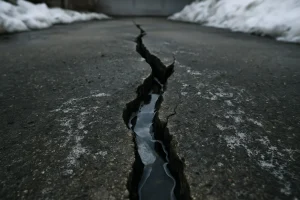
Concrete repair and restoration technologies have advanced dramatically, enabling the preservation of structurally sound concrete that might previously have been replaced. Surface treatments, crack injection, and structural strengthening can often restore concrete performance at minimal environmental cost compared to replacement.
This approach aligns perfectly with circular economy principles by maximising existing material value whilst minimising new resource consumption. According to the UK Green Building Council, extending building component life through effective maintenance and repair represents one of the most impactful sustainability strategies available to the construction industry.
Conclusion
Building sustainably doesn’t require abandoning concrete—it demands choosing smarter, greener concrete solutions and maximising existing material value. The environmental impact of concrete continues decreasing through cement alternatives, recycled aggregates, and carbon-reduced production methods.
Modern concrete suppliers can now offer significantly lower-carbon mixes without compromising structural performance, whilst innovative repair techniques extend existing concrete life far beyond traditional expectations. The most eco-friendly concrete alternative often proves to be well-designed, responsibly sourced, and properly maintained concrete itself.
For environmentally conscious construction projects, the path forward combines innovative green concrete technologies with strategic material selection and aggressive preservation of existing assets. Contact us to discuss your project and explore how modern sustainable concrete solutions can meet both your performance and environmental requirements.
Frequently Asked Questions
How much can carbon-reduced concrete lower my project’s environmental impact? Carbon-reduced concrete using SCMs like fly ash and GGBS can reduce embodied carbon by 40-60% compared to standard Portland cement mixes. The exact reduction depends on replacement percentages and specific SCM types used in the mix design.
Are recycled concrete aggregates as strong as virgin materials? Quality recycled concrete aggregates often match virgin aggregate performance for many applications. They work excellently for sub-base materials and non-structural concrete, with some restrictions for high-strength structural applications depending on specifications.
What’s the most environmentally friendly option for my driveway? For driveways, consider permeable concrete or permeable pavers if drainage matters, or standard concrete with high SCM content for maximum durability. If you have an existing concrete driveway with minor issues, repair and restoration typically offers the lowest environmental impact.