A well-designed concrete driveway doesn’t just provide a place to park your car – it’s the first thing visitors notice about your property. Creating a stunning concrete driveway might seem like a massive undertaking, but when you break it down into manageable steps, the process becomes surprisingly straightforward.
The beauty of concrete driveways lies in their versatility and longevity. Unlike gravel or asphalt alternatives, a properly installed concrete driveway can last decades while maintaining its appearance and structural integrity. Let’s walk through the three essential steps that will transform your property’s entrance into something truly impressive.
Step 1: Planning and Preparation – The Foundation of Success
The key to any stunning concrete driveway starts long before the first drop of concrete is poured. Proper planning and preparation account for roughly 60% of your project’s success, so this step deserves your full attention.
Site Assessment and Design
Begin by evaluating your existing driveway area. Consider the slope, drainage patterns, and soil conditions. Poor drainage can cause significant problems down the line, so identify where water naturally flows and plan accordingly. Your driveway should slope away from your home and towards appropriate drainage areas.
Think about the width and layout that works best for your needs. A standard single-car driveway typically measures 8-10 feet wide, while double-car driveways need 16-20 feet. Consider turning areas, especially if you have a curved or L-shaped driveway design.
Excavation and Base Preparation
Proper excavation is crucial for long-term durability. Remove the existing surface material and dig down to create a stable foundation. The depth depends on your soil conditions and local climate, but typically ranges from 4-8 inches for the concrete plus additional depth for the base material.
Install a proper base layer using crushed stone or gravel. This base should be compacted thoroughly to prevent settling that could crack your finished driveway. The base material helps with drainage and provides a stable platform for your concrete.
Calculating Your Concrete Needs
Getting your concrete calculations right prevents delays and ensures you have enough material for the entire pour. Use a concrete calculator to determine exactly how much concrete you’ll need based on your driveway’s dimensions and thickness.
Remember that concrete driveways typically require 4-6 inches of thickness for residential use. If you expect heavy vehicles or have challenging soil conditions, you might need to go thicker. Understanding concrete composition and process helps you make informed decisions about the right mix for your specific situation.
Step 2: Concrete Selection and Pouring – Where the Magic Happens
Choosing the right concrete and executing a proper pour transforms your careful preparation into a solid, durable surface that will serve you for decades.
Selecting Your Concrete Type
Not all concrete is created equal, and your choice significantly impacts both appearance and performance. Ready mix concrete offers consistency and convenience for driveway projects, ensuring proper ratios and professional quality.
Consider the strength requirements for your driveway. Standard residential driveways typically use concrete with a compressive strength of 3,000-4,000 PSI. If you live in an area with freeze-thaw cycles, air-entrained concrete helps prevent damage from seasonal temperature changes.
For those interested in environmental considerations, carbon reduced concrete options provide the same durability while reducing environmental impact.
The Pouring Process
Timing is everything when pouring concrete. Plan your pour for mild weather conditions – avoid extremely hot or cold days, and never pour concrete when rain is expected within 24 hours.
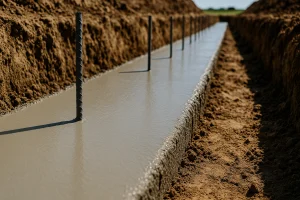
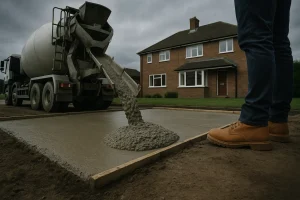
Start by setting up proper forms or edging to contain the concrete. These guides ensure straight edges and proper thickness throughout the driveway. Pour the concrete systematically, working in sections to maintain consistency.
Level the concrete using screeds or straight boards, ensuring even thickness across the entire surface. This is where understanding volumetric concrete benefits becomes apparent – the ability to adjust the mix on-site allows for perfect consistency throughout the pour.
Work quickly but carefully during this phase. Concrete begins setting relatively quickly, so have your team and tools ready before the delivery truck arrives.
Step 3: Finishing and Curing – Creating the Perfect Surface
The finishing touches separate ordinary driveways from stunning ones. This final step determines both the appearance and long-term performance of your new driveway.
Surface Finishing Techniques
Basic finishing involves floating the surface to remove imperfections and create an even texture. For driveways, you typically want some texture to prevent slipping, especially when wet. A broom finish provides excellent traction while maintaining a clean appearance.
For those wanting something more decorative, consider stamped concrete patterns or exposed aggregate finishes. These techniques can make your concrete driveway look like expensive stone or brick while maintaining concrete’s durability and lower maintenance requirements.
The Critical Curing Period
How long concrete takes to dry affects when you can use your new driveway. While concrete may appear dry within hours, proper curing takes much longer.
Keep the concrete moist during the first week by covering it with plastic sheeting or applying curing compounds. This moisture retention allows the concrete to reach its full strength potential. Avoid driving on the new driveway for at least a week, though light foot traffic is usually acceptable after 24-48 hours.
Protecting Your Investment
Consider applying a concrete sealer once the curing process is complete. Sealers protect against stains, weather damage, and surface wear while enhancing the concrete’s appearance. Reapply sealers every 2-3 years to maintain protection.
The Results Speak for Themselves
Following these three steps creates more than just a place to park – you’re building a lasting feature that enhances your property’s value and curb appeal. A well-executed concrete driveway can last 30+ years with minimal maintenance, making it one of the best investments you can make in your property.
The key to success lies in not rushing any step. Proper preparation, quality materials, and attention to finishing details separate amateur jobs from professional-looking results. When done right, your stunning concrete driveway will be something you’re proud of every time you come home.