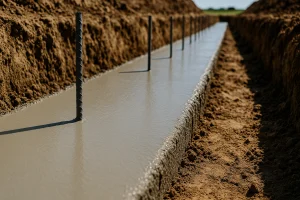
When you think “mixing concrete,” do you picture a dusty wheelbarrow and back-breaking work? In 2025, that image is history. For any project that matters, concrete isn’t just mixed; it’s engineered. The days of guessing ratios, battling inconsistent batches, and hoping for the best have been replaced by precision technology that guarantees superior results every single time.
Modern concrete mixing isn’t about shovels and sweat—it’s about computer-controlled precision, certified quality, and intelligent systems that eliminate human error. Let’s examine how concrete is actually mixed for serious construction projects in the digital age.
Method 1: The Factory Approach – Plant-Batched Ready-Mix
The industrial standard for concrete mixing happens in sophisticated batching plants where advanced technology replaces guesswork with mathematical precision. These facilities represent the evolution of concrete production from craft to science.
Computer-Controlled Precision Modern batching plants employ computer systems that measure thousands of pounds of materials to gram-perfect accuracy. Cement, aggregates, water, and admixtures are proportioned exactly according to engineered specifications, eliminating the variability that plagues manual mixing methods.
Certified Quality Assurance Plant-batched ready-mix delivers verifiable quality through continuous testing and certification processes. Every batch comes with documentation proving compressive strength, consistency, and compliance with British Standards—guarantees impossible to achieve through manual methods.
The Scale Advantage Factory production enables the precise incorporation of specialist admixtures, recycled materials, and performance enhancers that transform basic concrete into engineered materials. According to the Institution of Civil Engineers, modern concrete technology depends on this industrial precision to achieve the performance standards required by contemporary construction.
This approach dominates large-scale construction because it delivers the consistency, strength certification, and quality assurance that serious projects demand.
Method 2: The Mobile Factory – On-Site Volumetric Mixing
The ultimate evolution in concrete mixing technology comes in the form of volumetric mixers—mobile batching plants that bring factory precision directly to your project site. These sophisticated machines represent the pinnacle of modern concrete mixing methodology.
Real-Time Engineering Volumetric concrete mixing maintains raw ingredients in separate compartments until the exact moment of use. Computer-controlled augers proportion materials precisely whilst mixing occurs literally seconds before placement, ensuring maximum freshness and optimal chemical reactions.
Intelligent Flexibility Unlike fixed batching plants, volumetric systems can adjust mix designs in real-time based on changing project requirements. Need a slightly wetter mix for detailed formwork? Require higher strength for unexpected load requirements? The operator can modify specifications instantly without waste or delay.
Zero Waste Technology The pay-for-what-you-use model eliminates the waste inherent in traditional methods. You never order too much or too little—the mobile batching plant produces exactly what your project requires, making it the most efficient and cost-effective mixing method for modern construction.
Ultimate Quality Control Fresh mixing provides superior workability and strength development compared to concrete that’s been mixed elsewhere and transported. The hydration process begins optimally, resulting in concrete that achieves design strength more reliably than alternatives.
For detailed comparison of these modern approaches, our comprehensive guide on volumetric vs ready-mix concrete explains which technology suits specific project requirements.
And What About the Wheelbarrow? A Historical Footnote
Manual concrete mixing—the 1:2:4 ratio memorised by generations of builders—represents an archaic method suitable only for the most trivial applications. Setting a single garden post or patching a minor crack might justify hand-mixing, but any serious construction project demands the precision and quality assurance that only modern methods provide.
Critical Flaws of Manual Mixing:
- Inconsistency: Human measurement introduces variables that compromise strength and durability
- Limited Performance: Hand-mixed concrete cannot incorporate the admixtures essential for modern performance requirements
- Quality Uncertainty: No testing, no certification, no guarantee of achieving design specifications
- Physical Limitation: The quantities manageable by hand mixing restrict project scope artificially
Modern Perspective In 2025, choosing manual mixing for structural applications is like choosing candlelight over electricity—a romantic notion that compromises practical results. Professional construction demands the reliability, consistency, and performance verification that only engineered mixing methods can provide.
The Modern Standard: Technology-Driven Results
Contemporary concrete mixing reflects broader technological advancement across construction. Precision measurement, quality control systems, and computerised batching have transformed concrete from a variable craft material into a predictable engineering medium.
Benefits of Modern Mixing Methods:
- Guaranteed compressive strength through certified batching
- Consistent quality regardless of human variables
- Advanced admixture integration for enhanced performance
- Waste elimination through precise quantity control
- Professional liability coverage for material performance
Economic Reality Modern concrete methods often cost less than manual alternatives when total project costs are considered. Eliminated waste, guaranteed quality, reduced labour, and reliable performance timelines frequently offset any premium for professional batching services.
Choosing Your Modern Method
Project requirements determine which advanced mixing method optimises results:
- Large-scale, high-specification projects: Plant-batched ready-mix provides the volume and certification for major construction
- Flexible, efficient projects: Volumetric mixing delivers fresh concrete with zero waste for most residential and commercial applications
- Tiny repairs only: Manual mixing remains viable for genuinely minimal applications where quality standards are relaxed
The vast majority of 2025 construction projects benefit from volumetric technology’s combination of freshness, flexibility, and efficiency.
Conclusion
Modern concrete mixing has evolved beyond manual labour into precision engineering. Whether through factory batching or mobile volumetric technology, contemporary methods deliver the consistency, quality, and performance that serious construction demands.
The wheelbarrow era served its historical purpose, but 2025 projects deserve 2025 solutions. Professional mixing methods don’t represent luxury upgrades—they’re the modern standard for anyone building to last.
Ready to experience modern concrete mixing technology? Get a quote for engineered concrete that matches your project’s quality expectations with delivery methods designed for contemporary construction.
Frequently Asked Questions
Is volumetric concrete more expensive than manual mixing? Typically no—volumetric concrete often costs less when waste elimination, guaranteed quality, and reduced labour are considered. The pay-for-what-you-use model eliminates over-ordering costs whilst ensuring optimal material utilisation.
What’s the minimum order for professional concrete delivery? Volumetric systems can economically deliver quantities as small as 0.5 cubic metres, making professional mixing viable even for smaller projects where hand-mixing was previously the only option.
How do modern methods ensure consistent quality? Computer-controlled batching eliminates human measurement error, whilst continuous testing and certification provide documented proof of strength and consistency. This quality assurance is impossible to achieve through manual methods.
Can modern mixing methods accommodate specialty requirements? Absolutely—professional mixing systems can incorporate admixtures, adjust strength grades, and modify workability characteristics that are impossible to achieve reliably through manual mixing methods.