Working with concrete during winter months presents unique challenges that can make or break your construction project. While many people assume concrete work stops when temperatures drop, the reality is that with proper techniques and precautions, you can successfully pour concrete even when it’s cold outside.
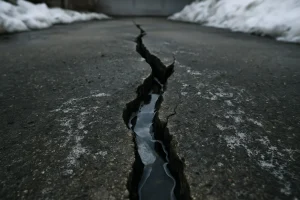
Understanding how cold weather affects concrete is crucial for anyone planning construction work during the cooler months. Temperature plays a massive role in how concrete sets, cures, and develops its final strength. Get it wrong, and you could end up with weak, cracked, or failed concrete that needs costly repairs or complete replacement.
Let’s dive into the essential dos and don’ts that will help you achieve strong, durable concrete even when Mother Nature isn’t cooperating.
Understanding Cold Weather’s Impact on Concrete
Before we get into the specific techniques, it’s important to understand what happens to concrete when temperatures drop. Concrete curing is a chemical process that slows down significantly in cold conditions. When temperatures fall below 10°C (50°F), the hydration process that gives concrete its strength begins to slow dramatically.
At freezing temperatures, the water in fresh concrete can turn to ice, which expands and can cause permanent damage to the concrete’s internal structure. This is why timing and temperature control become absolutely critical during cold weather pours.
Understanding concrete composition and process becomes even more important in cold conditions, as the chemical reactions that create strong concrete are temperature-dependent.
The Essential Dos for Cold Weather Concrete
Do Monitor Weather Forecasts Carefully
Planning is everything when it comes to cold weather concrete work. Check weather forecasts at least 48 hours in advance and avoid pouring if temperatures are expected to drop below freezing within the first 24-48 hours after placement.
Do Use Heated Materials
Start with warm ingredients to give your concrete the best chance of proper curing. Heat your mixing water to around 60-80°C (140-175°F) and store aggregates in heated areas when possible. This initial heat helps maintain workability and promotes proper hydration even as ambient temperatures drop.
Do Protect Fresh Concrete from Freezing
Use insulated blankets, heated enclosures, or temporary shelters to maintain concrete temperature above freezing during the critical early curing period. The first 24-48 hours are absolutely crucial for developing strength.
Do Use Accelerating Admixtures
Chemical accelerators can speed up the setting and early strength development of concrete in cold conditions. These admixtures help the concrete reach a critical strength level faster, making it less susceptible to freeze damage.
Do Extend Curing Time
Cold weather means longer curing times. How long concrete takes to dry varies significantly with temperature, so plan for extended protection periods when working in cold conditions.
Do Use Proper Concrete Mixes
Ready mix concrete suppliers can adjust mix designs specifically for cold weather conditions. These mixes often include accelerators and are designed to perform better in low temperatures.
Critical Don’ts for Cold Weather Concrete
Don’t Pour on Frozen Ground
Never place concrete directly onto frozen soil or surfaces. Frozen ground acts as a heat sink, drawing warmth away from the concrete and preventing proper curing. Thaw the ground first or use insulation to prevent heat loss.
Don’t Rush the Finishing Process
Cold concrete takes longer to bleed and set. Rushing the finishing process can trap bleed water under the surface, leading to scaling and durability problems. Be patient and wait for proper surface conditions before finishing.
Don’t Use Calcium Chloride as a Deicer
While calcium chloride can accelerate setting, it can also cause corrosion problems in reinforced concrete. Use non-chloride accelerators instead, especially for structural applications.
Don’t Remove Protection Too Early
Maintain temperature protection until the concrete reaches sufficient strength to resist freeze-thaw damage. This typically means keeping concrete above 10°C (50°F) for at least 48 hours, or longer depending on the specific mix and conditions.
Don’t Ignore Gradual Cooling
Rapid temperature changes can cause thermal stress and cracking. When removing heating or insulation, do it gradually to allow the concrete to adjust slowly to ambient temperatures.
Don’t Forget About Wind Chill
Wind can significantly increase the rate of heat loss from concrete surfaces. Use windbreaks or enclosures to protect fresh concrete from cold winds that can cause rapid cooling and surface problems.
Special Considerations for Different Applications
Driveways and Flatwork
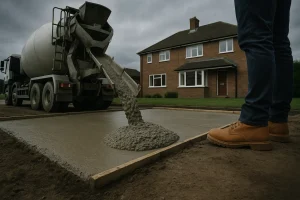
For residential projects like driveways, extra attention to surface protection is crucial. Consider using concrete pumping services to speed up placement and reduce exposure time to cold conditions.
Structural Elements
When working with structural concrete, strength development becomes even more critical. Extended curing periods and careful temperature monitoring are essential to ensure the concrete reaches design strength.
Decorative Concrete
Cold weather can affect the timing and quality of decorative finishes. Plan finishing operations carefully and be prepared for longer working times.
Professional vs. DIY Considerations
While some cold weather concrete techniques can be managed by experienced DIYers, many situations require professional expertise. Complex projects, structural elements, or extreme cold conditions often benefit from professional contractors who have the equipment and experience to handle challenging conditions safely.
Professional concrete suppliers understand how to mix concrete for specific weather conditions and can provide mixes optimised for cold weather performance.
The Bottom Line
Successful cold weather concrete work is absolutely possible, but it requires careful planning, proper materials, and diligent execution. The key is understanding that cold weather doesn’t stop concrete work – it just changes the rules.
By following these dos and don’ts, you can achieve strong, durable concrete even when temperatures drop. Remember that patience is crucial in cold weather conditions. Rushing the process or cutting corners on protection measures can lead to concrete failure and costly repairs.
When in doubt, consult with concrete professionals who can provide guidance specific to your project and local conditions. The investment in proper cold weather techniques pays dividends in long-term concrete performance and durability.